
- Why the distinction matters
- What stress actually is
- What anxiety actually is
- The key differences, side by side
- Symptoms of each and where they overlap
- How stress can become anxiety
- How to tell which one you are dealing with
- What helps and what is different for each
- When to get professional help
- What to do next
Most people use the words stress and anxiety as if they mean the same thing. And on the surface, they feel similar. The racing thoughts, the tightness in the chest, the inability to switch off. But stress and anxiety are not the same thing. They have different causes, different mechanisms, and critically, different optimal responses.
Treating anxiety as if it were just stress, or treating stress as if it were an anxiety disorder, leads to the wrong interventions, frustration when things do not improve, and in some cases, a significant delay in getting the kind of help that would actually make a difference.
This article explains the distinction clearly: what each one is, how they feel, where they overlap, and most importantly, how to tell which one you are actually dealing with.
Why the Distinction Matters
It might seem like a minor semantic point. Does it really matter whether you call it stress or anxiety?
It does, and there are two reasons why.
First, the interventions are different. Stress responds well to reducing the source of pressure, improving time management, rest, and practical problem-solving. Anxiety often does not respond to these approaches. Anxiety does not have a source in the same way. It is not driven by a specific problem you can solve. It requires a different kind of work, often with professional support.
Second, chronic stress and anxiety have different trajectories if left unaddressed. Stress that is managed tends to resolve as circumstances change. Anxiety that goes untreated tends to intensify and generalise. It expands into more areas of life, becomes harder to contain, and embeds itself more deeply in how you think and behave.
“One of the most common things I see in clinical practice is someone who has been treating anxiety as stress for years. Pushing through, working harder, taking holidays that do not help. They have not recognised what they are actually dealing with. Naming it correctly is the first step toward addressing it effectively.”
What Stress Actually Is
Stress is your body and mind’s response to an external demand or pressure. The American Psychological Association defines it as a physical or mental response to an external cause: a deadline, a financial problem, a difficult relationship, an illness, a major life change.
Stress is purposeful. In short bursts, it sharpens focus, improves performance, and helps you meet demands. The stress response is your nervous system mobilising resources to deal with a challenge. That is not pathological. It is functional.
The key characteristics of stress are:
- It has an identifiable cause. You can point to what is driving it: a specific situation, pressure, or demand.
- It is proportionate. The level of stress broadly matches the size of the challenge you are facing.
- It resolves. When the source of pressure is removed or resolved, the stress diminishes. Meet the deadline, have the difficult conversation, resolve the problem. The stress tends to lift.
- It is time-limited. Even long-term stress is tied to a situation. When the situation changes, the stress response changes with it.
Stress becomes a problem when it is chronic, when demands are relentless and the nervous system never gets a chance to recover. Chronic stress left unaddressed can contribute to serious health problems including depression, cardiovascular disease, immune suppression, and anxiety disorders.
What Anxiety Actually Is
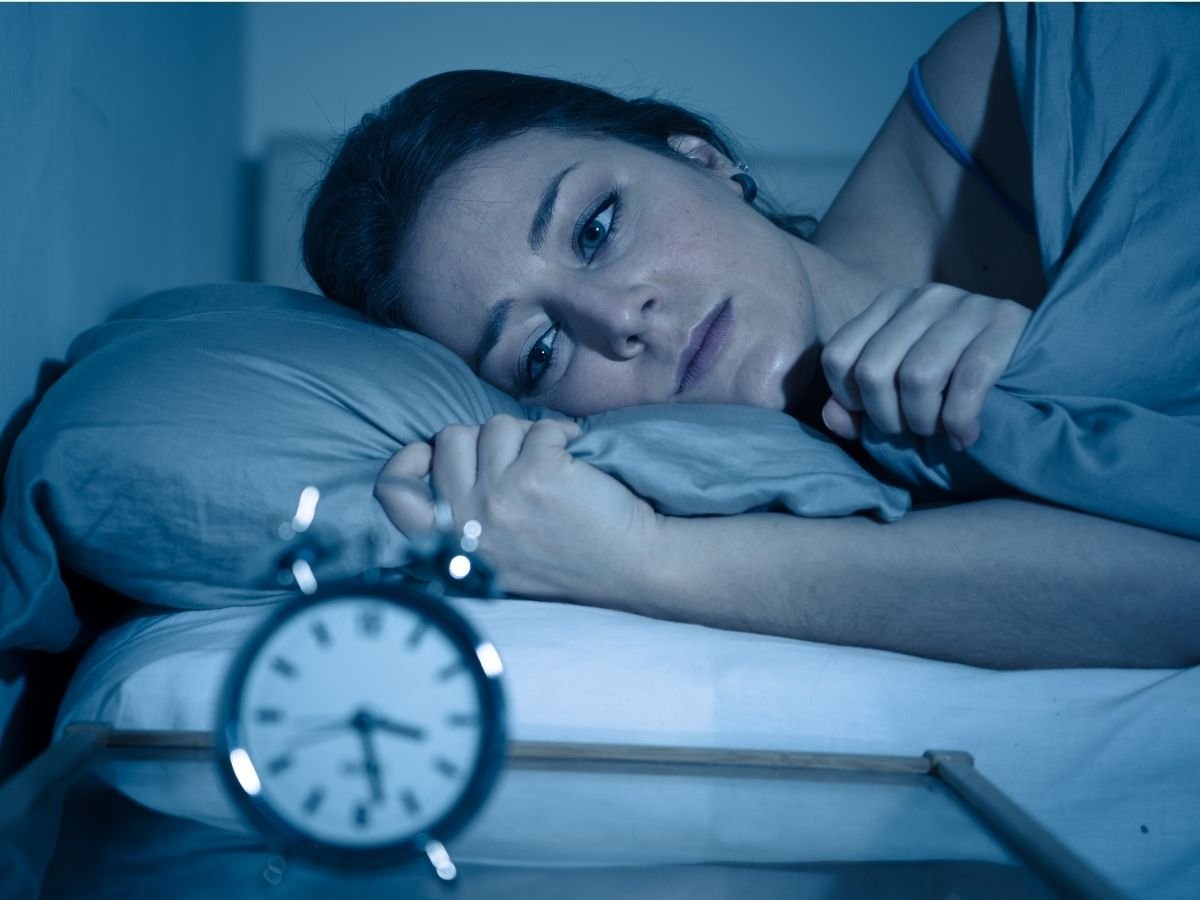
Anxiety is your body and mind’s threat response operating in the absence of an actual threat, or wildly out of proportion to one. Where stress is tied to something real and present, anxiety is future-oriented. It is about what might happen, what could go wrong, what you need to protect yourself from, even when the situation does not actually warrant that level of alarm.
A useful way to think about it: stress is standing on a diving board, nervous about jumping. Anxiety is lying in bed at night worrying about jumping off that diving board next week, or worrying that you might need to jump off a diving board someday, even though you have no plans to go near a pool. (MedTalk Central, 2026)
The key characteristics of anxiety are:
- It persists beyond the trigger. Even when the situation that prompted it resolves, the feeling remains.
- It is often disproportionate. The level of alarm does not match the actual level of threat.
- It can arise without an obvious cause. Many people with anxiety experience it without being able to point to a specific reason. That absence of a clear cause is itself disorienting and distressing.
- It involves anticipation and avoidance. Anxiety is future-focused. It drives hypervigilance, catastrophising, and often avoidance of situations that feel threatening, even when they are not.
- It does not resolve with problem-solving. Because anxiety is not primarily driven by an external problem, solving problems does not reliably reduce it.
When anxiety is persistent, excessive, and begins interfering with daily functioning, it meets the clinical threshold for an anxiety disorder. This is a diagnosable condition that responds well to appropriate treatment.
The Key Differences, Side by Side
| Feature | Stress | Anxiety |
|---|---|---|
| Cause | Identifiable external trigger | May have no clear trigger, or persists after trigger resolves |
| Time orientation | Present. Responding to what is happening now. | Future. Anticipating what might happen. |
| Proportionality | Generally proportionate to the situation | Often disproportionate, well out of scale with the actual threat |
| Resolution | Tends to resolve when the stressor is removed | Persists even when external circumstances improve |
| Thought pattern | “I have too much to deal with right now” | “Something bad is going to happen” or “I can’t cope” |
| Avoidance | Usually not present | Often present, with active avoidance of situations that trigger fear |
| Response to rest | Rest and recovery help significantly | Rest alone rarely resolves anxiety |
| Treatment | Lifestyle changes, stress management, reducing demands | Often requires therapy (CBT, ACT), sometimes medication |
The most telling difference in daily life is what happens when the pressure lifts. If you go on holiday, finish the project, or resolve the situation and the tension dissolves, that was stress. If the holiday provides no real relief, if the worry simply moves to something else, if you come back just as wound up as you left. That pattern points toward anxiety.
Symptoms of Each and Where They Overlap
Part of what makes stress and anxiety so easy to confuse is that they share a substantial set of physical and psychological symptoms. Both activate the nervous system’s threat response, which produces many of the same sensations regardless of whether the trigger is real or perceived.
🔵 Primarily Stress
- Irritability and short temper
- Feeling overwhelmed by tasks
- Difficulty switching off from work
- Physical tension in shoulders, neck, and jaw
- Digestive problems
- Fatigue that improves with rest
- Lowered motivation
- Feeling stretched too thin
🔴 Primarily Anxiety
- Persistent worry that will not switch off
- Racing thoughts, especially at night
- Catastrophising (expecting the worst)
- Physical symptoms without clear cause (chest tightness, dizziness)
- Avoidance of situations or places
- Hypervigilance (always scanning for threats)
- Panic attacks
- Fatigue that does not improve with rest
Symptoms Shared by Both
- Difficulty sleeping or staying asleep
- Difficulty concentrating
- Increased heart rate
- Muscle tension
- Headaches
- Changes in appetite
- Feeling on edge or restless
How Stress Can Become Anxiety

One of the most important things to understand is that stress and anxiety are not always separate. Chronic, unmanaged stress is one of the strongest predictors of developing an anxiety disorder. (Simply Psychology, 2026)
The transition happens gradually and in several ways:
The threat response becomes sensitised. Repeated activation of the stress response lowers the threshold for future anxiety. Your nervous system learns to fire the alarm at lower and lower levels of provocation.
Avoidance patterns become established. If you withdrew from a stressful situation and the pressure temporarily lifted, your brain learns that avoidance works and starts applying that lesson more broadly. Over time, avoidance restricts life in ways that reinforce anxiety rather than resolving it.
Worry habits become automatic. Catastrophising, rumination, and hypervigilance that develop during a period of prolonged stress can persist long after the stress itself resolves. The thinking style becomes a default, applied not just to genuine stressors but to everyday situations that do not warrant it.
This is why addressing chronic stress early matters. It is not just about feeling better now. It is about preventing the nervous system from developing patterns that are harder to shift later.
How to Tell Which One You Are Dealing With
Ask yourself these questions:
- Is there a specific, identifiable cause? Stress is almost always attached to something concrete. Anxiety often involves a vague, pervasive sense of dread without a clear source.
- Does it resolve when the situation changes? If the pressure lifts and you feel significantly better, that points to stress. If the worry simply moves to something else, that points to anxiety.
- Is the level of concern proportionate? Does your worry match the actual size of the problem, or does it feel much bigger than the situation actually warrants?
- How long has it been going on? Stress tied to a specific situation has a natural arc. Anxiety that has been present for six months or more, across multiple situations, is a different picture.
- Is it affecting how you live? Are you avoiding things because of it? Has it changed your behaviour, your relationships, or your ability to function? That level of impact is a strong indicator of anxiety rather than stress.
- Does rest help? Stress tends to respond to genuine rest and recovery. Anxiety tends to follow you into the holiday, the weekend, the quiet moment.
These questions are a guide, not a diagnostic tool. If you are uncertain, or if the answer to several of these points to anxiety, the most reliable next step is to speak to a professional who can help you understand what you are actually dealing with.
What Helps and What Is Different for Each
Because stress and anxiety have different mechanisms, they respond differently to interventions. Here is what the evidence supports for each:
For Stress
For Anxiety
When to Get Professional Help

Both stress and anxiety can reach a point where professional support makes a meaningful difference. Here are the signs that it is time to reach out:
- Symptoms have persisted for more than two to four weeks without improvement
- You are struggling to function at work, in relationships, or in daily life
- You are avoiding situations, people, or responsibilities because of how you feel
- You are using alcohol, substances, or food to manage how you feel
- Rest and lifestyle changes have not helped
- You are experiencing panic attacks
- The worry feels constant, excessive, or out of control
- You have thoughts of harming yourself
You also do not need to wait until things reach any of these thresholds. If you are unsure what you are dealing with, or if the line between stress and anxiety feels blurry, a single conversation with a psychologist can clarify things significantly. That clarity itself is often a relief.
What to Do Next
If you have been reading this and recognising yourself in the description of anxiety that does not resolve, in the worry that follows you into rest, in the avoidance that has been quietly narrowing your life, the most useful thing you can do right now is not to self-diagnose but to talk to someone.
Not sure where you are starting from? Our free self-evaluation for anxiety takes five minutes and gives you a clearer picture of what you are experiencing.
→ Take the Free Anxiety Self-Evaluation
Or if you are ready to speak to someone directly, our licensed psychologists are available online, worldwide, whenever you need us. The first session is at 50% off, and it starts with a conversation about what you are going through. Nothing more is required than showing up.
Not Sure If It’s Stress or Anxiety? Let’s Find Out Together.
Book your first session at 50% off. Licensed psychologists, available online worldwide, whenever you need us.
3 Responses